
32nd Sunday A

Jeff Bagnall • 9 November 2023

The first reading is from the later Greek writings not in the Hebrew Bible.  It is about wisdom; which is female in the Greek language and also in the English female name ‘Sophie’ which means wisdom.  She is to be loved, cared for, cherished and constantly looked for and looked after – and these words that we read of her, is itself very wise!

The second reading  shows us that in the early days of Christianity there was the thought that the complete end of God’s creating would be soon; though this was not to be, the ideas about life in God after death, eventually for us all, is still what Christianity believes and what gives us comfort when friends or family die.

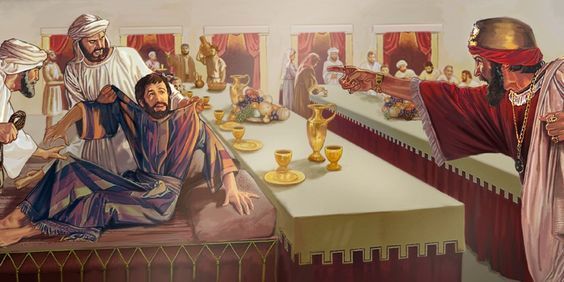
The parable from Matthew that is our gospel reading is also about death – and notice that it is likened to the marital joining of one with the beloved – and that is a beautiful image of death; but we must be ready for it.

Jeff Bagnall was a lecturer for many years at Craiglockhart College teaching RE to many future Catholic Primary teachers.

by Jeff Bagnall 24 June 2026
In the Acts 12:1-11 Luke is writing the remarkable account of the expansion of Christianity and the development of the church; and this is despite external opposition, even persecution, and their leaders’ inadequacies and failings. The story is built around the two different characters in the early church of Peter and Paul. Whereas Peter was a headstrong, simple Galilean Jewish fisherman who followed Jesus throughout His public ministry, Paul was a well educated Jew and Roman citizen living outside of the Jewish territory, who after a special encounter with Jesus turned from antagonism to Christians to become an apostle of Christianity to the Gentiles. The phrase “in those days” at the beginning of today’s reading, alludes to the time when the followers of Jesus in Jerusalem and the surrounding area expanded and even included followers of Jesus’ Way who were not Jews – they were Samaritans or even Gentiles. It was this expansion that began to cause disturbances in Jerusalem. Herod, the local ruler, wanted to keep the peace in order to retain favour within the Roman empire, and so began to arrest the Jewish Christian leaders who were the source of the trouble. So our reading concerns the imprisonment of Peter; it was during the feast of unleavened Bread – a sacred time in Jerusalem – so he would be executed after the Passover, as James had been earlier. The story of his escape was passed down by word of mouth and that is what is related here by Luke. This is a good story illustrating how faith can lead us into difficulties and yet God can save us.
by Jeff Bagnall 16 June 2026
The first reading from the Book of Jeremiah displays a common pattern in the experiences of all humans when they are intending to do their best and what they think is right. In this 7 th century BC this prophet really feels the call from God to try to bring the people – all people – back into a good relationship with a loving God and to preach with severity and reproach against the poor behaviour of his people. It seems almost natural that they oppose him more and more as he upbraids them – and Jeremiah had a really tough time. But he earnestly wants to believe that God will see him alright in the end, will put his accuses to shame; he has faith yet it is shot through with human weakness for he hopes and expects that God will ‘get His own back’ on these miscreants … Jeremiah hopes for revenge! The best of us will still get things wrong about God and His ways.
Show More