24th Sunday in Ordinary Time - 2026 - Year A

Jeff Bagnall • 10 September 2026

The reading from the Book of Sirach is making the wise and useful observation that God will deal with us in a manner similar to the way we deal with other people.  So love and forgive others and God will love and forgive you.  But if you… (you know what follows)

A couple of verses from Romans illustrates a way of expressing just what is the relationship between Christ and us; it is that He who lived on earth and is still alive after death, is the example for us of what our lives should be – living here in the way that He did, and hence living after death in the way that he does.

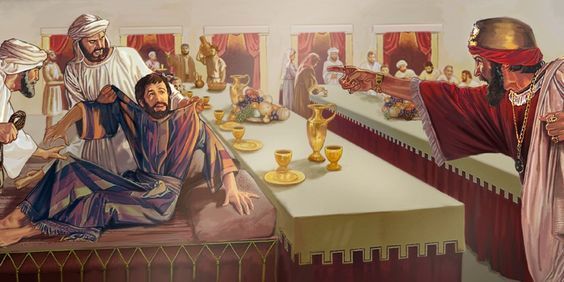
In the gospel  there is a different style of communication from the wisdom we have had in the earlier two reading.  Gospels tell us about God and His dealings with us with stories attributed to Jesus; and that’s just what we have here – a story making much the same point as the two earlier readings.

Jeff Bagnall was a lecturer for many years at Craiglockhart College teaching RE to many future Catholic Primary teachers.
by Jeff Bagnall 3 September 2026
God speaks harsh words to Ezekiel the prophet. For Ezekiel knows the harsh things he should be saying to his fellow Jews, and that this will be for their own good in the long term. But who likes to tell others off? So God actually threatens him with punishment if he does not speak out when he knows that he should.
by Jeff Bagnall 27 August 2026
It's not so long ago that we were reading of Elijah wanting to die because of his failure to inspire the people and because of a death-threat against him. Jeremiah was in a worse situation in Judah around the 7th century BC. In that land, regard for Yahweh and the Covenant was almost entirely abandoned, and God urged Jeremiah to preach about the inevitable political demise and eventual national disaster. He had a respite from his work for a short time during the reign of Josiah; for this king tried to reintroduce the recognition of the Law of God as found written in what we now see as the early books of the bible, especially Exodus, Leviticus and Deuteronomy. But this reform soon failed, and idolatry and fertility cults regained popularity. Despite extreme reluctance, Jeremiah began the work of his calling, which was to bring him general disfavour, occasional imprisonment or confinement and continued unpopularity. There was some upbeat aspects to his message at times, particularly the one about God wanting to set up a new covenant within the hearts of the people. He suffered a tormenting turmoil in his own life; it resulted both from his natural abhorrence of preaching against his own people and from the deep and inescapable inner compulsion to undertake the vocation given him by God – announcing the people's downfall. Doing God’s will is not always an obviously good thing! Our reading is his outcry at this personal conflict within him.
Show More